
When choosing a mineral rock crusher, several key factors must be considered to ensure you select the right equipment for your specific needs. The choice depends on the type of mineral you’re processing, the size of the operation, the desired output, and the conditions under which the crusher will be working. Below are the essential factors to consider when selecting a mineral rock crusher:
Understand the Type of Material
The first step in choosing the right crusher is understanding the material you need to process. Different minerals or rocks have unique characteristics, such as hardness, abrasiveness, and moisture content, which can affect the crusher’s efficiency. For example:
- Harder minerals (e.g., granite, basalt) require crushers that can handle high compressive strength, like jaw crushers or cone crushers.
- Softer minerals (e.g., limestone, gypsum) may be processed using impact crushers or hammer mills.
The type of material will help you decide which crusher is most suitable, as certain crushers are better suited for specific applications.
Crusher Capacity
The capacity of the crusher refers to how much material it can process within a given time frame. Crusher capacities are typically measured in tons per hour (TPH). To determine the appropriate capacity, you need to estimate the amount of material you plan to process daily or weekly and ensure the crusher can handle that volume.
- Small-scale operations may require crushers with capacities ranging from 50-150 TPH.
- Large-scale operations may need crushers with capacities of 200 TPH or higher.
Choosing the right capacity is important for avoiding overloading and ensuring efficiency.
Crusher Design and Mechanism
There are various types of crushers, each designed for specific tasks:
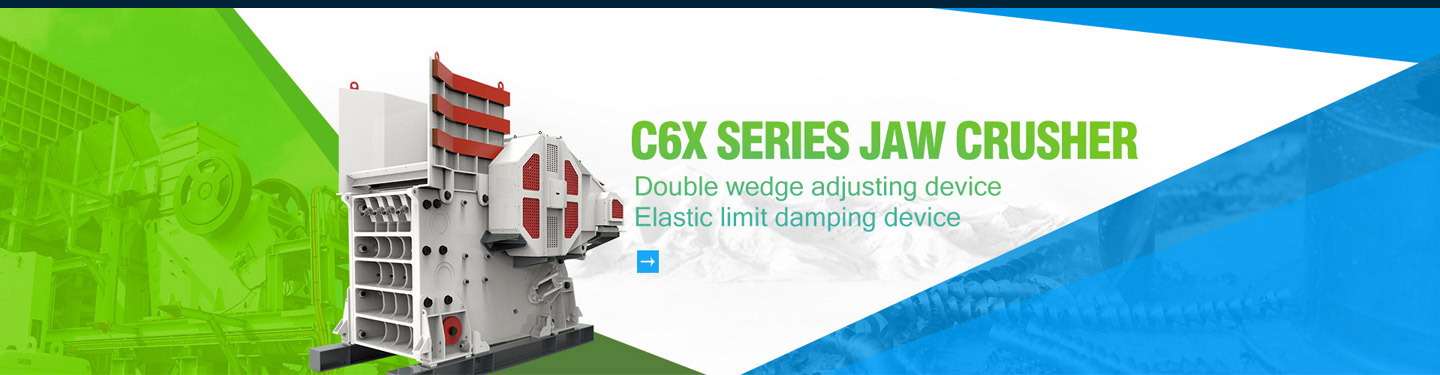
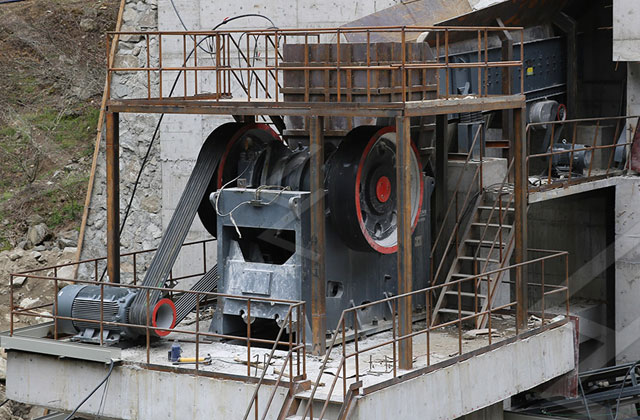
- Jaw Crushers: Ideal for primary crushing and handling large, hard rocks. They work by compressing the material between two plates, which helps in breaking it down.
- Cone Crushers: Suitable for secondary and tertiary crushing, cone crushers are designed to crush material between a moving mantle and a stationary bowl. They offer better control over product size and are good for materials that require finer sizes.
- Impact Crushers: These crushers use high-speed impact to break down materials, making them ideal for softer and medium-hard rocks. They produce cubical shaped aggregates and are widely used in sand and gravel production.
- Hammer Mills: Used for processing softer minerals, hammer mills crush the material using high-speed rotating hammers.
The design and mechanism of the crusher should align with the material’s properties and the size reduction needed for your project.
Particle Size Requirements
The desired output size of the crushed material is another critical factor. Crushers can be configured to produce a wide range of product sizes. Determine the particle size you need for your processing plant and match this requirement with the crusher’s capabilities. For example, jaw crushers provide a coarse output, while cone crushers can produce finer material.
Durability and Maintenance
Mining and mineral processing operations often involve harsh conditions, and the durability of the crusher is vital for continuous, reliable operation. Ensure that the crusher is built from robust materials such as high-strength steel and includes wear-resistant components like liners, screens, and hoppers. Regular maintenance and availability of spare parts are also important considerations, as downtime for repairs can significantly impact productivity.
Feeding System and Crusher Size
The type of feed system and the size of the material you plan to feed into the crusher will affect the machine’s efficiency. Some crushers are designed for handling larger feed sizes, while others are optimized for finer materials. If your material includes larger rocks, ensure the crusher has a wide enough feed opening to handle them.
Conclusion
Choosing the right mineral rock crusher requires careful consideration of your specific material, capacity requirements, and operational conditions. By understanding the characteristics of your material and the capabilities of various crushers, you can make an informed decision that ensures optimal performance, energy efficiency, and durability.