
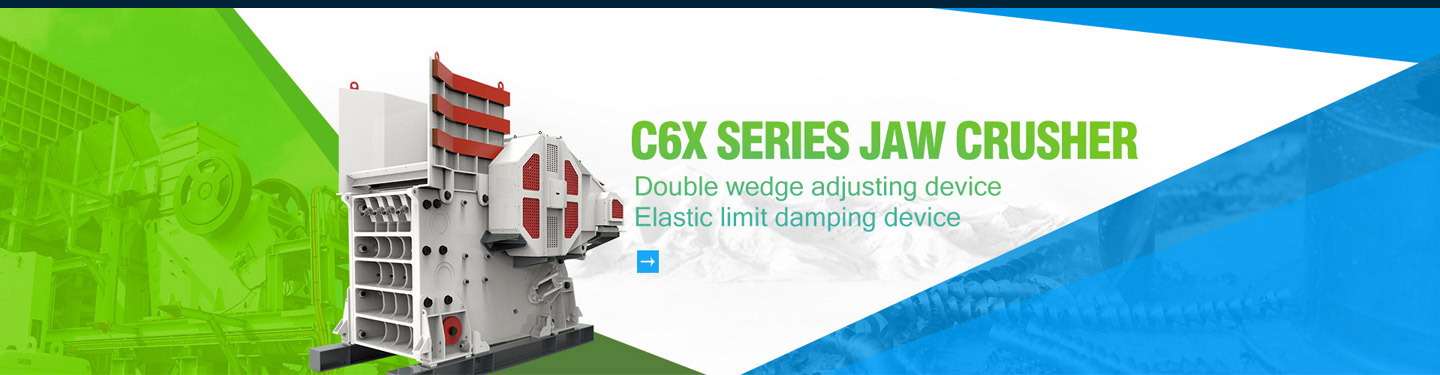
Stationary crushing plants offer numerous advantages that make them an essential component of the mining, construction, and aggregate industries. Here are some key benefits:
1. Efficiency and Performance
Stationary crushing plants are designed to handle large volumes of material with high efficiency. Their robust construction and advanced technology allow for continuous and reliable operation. This leads to high production rates and the ability to produce a wide range of material sizes and specifications. The precision of stationary crushers ensures consistent product quality, which is crucial for meeting project specifications and customer requirements.
2. Durability and Longevity
One of the most significant advantages of stationary crushing plants is their durability. These plants are built to withstand harsh operating conditions, including extreme weather and heavy loads. The sturdy construction and high-quality materials used in these plants ensure a long operational life with minimal maintenance. This longevity translates to lower long-term costs and a higher return on investment.
3. Cost-Effectiveness
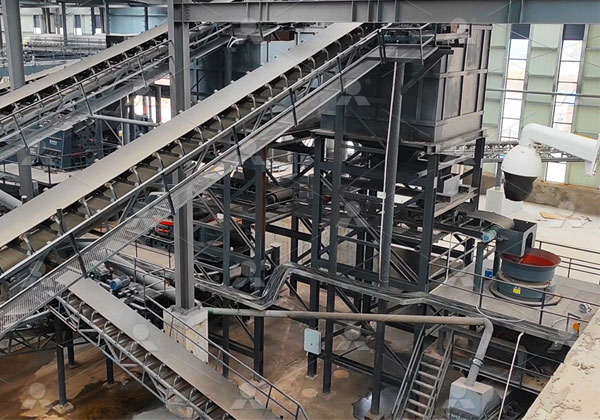
While the initial investment in a stationary crushing plant can be substantial, the long-term benefits often outweigh these costs. Stationary plants typically have lower operational and maintenance costs compared to mobile crushers. The fixed location reduces the need for frequent relocations, minimizing downtime and labor costs associated with moving equipment. Additionally, stationary plants can take advantage of economies of scale by processing large volumes of material more efficiently.
4. High Production Capacity
Stationary crushing plants are designed to handle high capacities, making them ideal for large-scale projects and operations. They can process a significant amount of material per hour, which is essential for meeting the demands of large construction and mining projects. The ability to maintain high production rates ensures that project timelines are met and that there is a steady supply of aggregate materials.
5. Flexibility in Configuration
Stationary crushing plants offer flexibility in terms of configuration and customization. They can be tailored to meet specific project requirements, including the type of material being processed, the desired output size, and the production capacity. This customization ensures that the plant can efficiently process the material to meet the exact specifications needed for the project. Additionally, stationary plants can be expanded or modified as project needs evolve.
6. Safety and Automation
Modern stationary crushing plants are equipped with advanced automation and safety features. Automation enhances operational efficiency by allowing for remote monitoring and control of the plant’s processes. This reduces the need for manual intervention, decreasing the risk of accidents and improving overall safety. Additionally, automated systems can optimize the crushing process, leading to better performance and reduced energy consumption.
7. Integration with Other Processing Equipment
Stationary crushing plants can be seamlessly integrated with other processing equipment, such as screening, washing, and conveying systems. This integration creates a streamlined and efficient processing operation, where materials can be processed, separated, and transported in a continuous flow. The ability to create a complete processing system enhances productivity and reduces the need for multiple handling steps.
Stationary crushing plants provide a range of advantages that make them a preferred choice for many industrial applications. Their efficiency, durability, cost-effectiveness, high production capacity, and flexibility in configuration make them ideal for large-scale operations.