
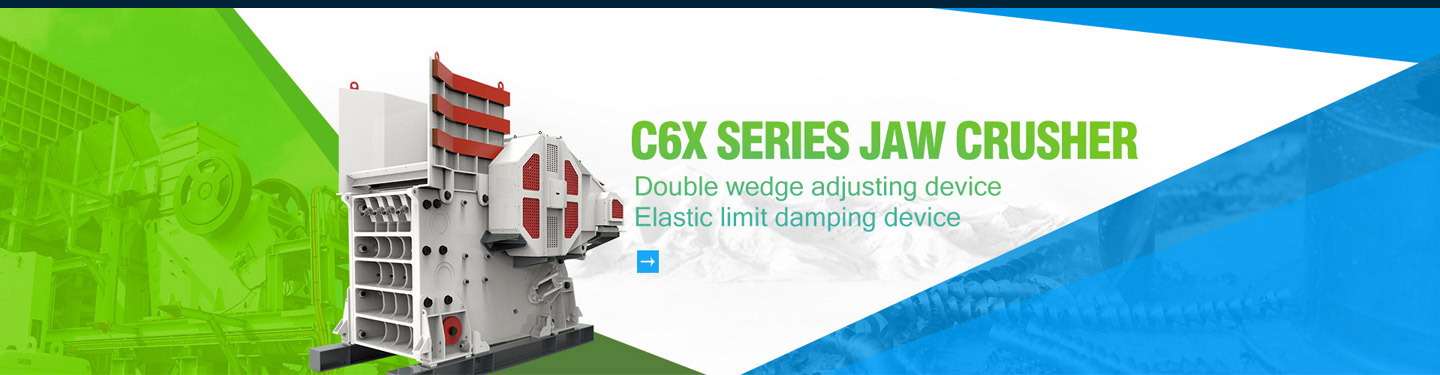
A granite processing plant is a facility dedicated to the extraction, crushing, and processing of granite, a type of hard, dense rock commonly used in construction, flooring, countertops, and as aggregate in concrete and road construction. One of the essential components in the granite processing plant is the jaw crusher, a machine that plays a pivotal role in the primary stage of granite crushing.
Granite Jaw Crusher: Function and Importance
A granite jaw crusher is a type of primary crusher used to break down large blocks of granite into smaller, more manageable sizes for further processing. The jaw crusher operates by compressing the rock between two plates, known as the fixed jaw and the moving jaw, to crush it. The movement of the moving jaw creates a compressive force that fractures the granite into smaller particles.
Granite is a tough and durable material, and due to its hardness, it requires a robust machine to handle it effectively. Jaw crushers are ideal for this purpose because they are capable of handling large rock sizes and producing a uniform product. The size of the output material is determined by adjusting the gap between the jaws.

Jaw Crusher Operation
In a granite processing plant, the jaw crusher is typically the first piece of equipment used in the crushing process. It receives raw, large granite blocks, which are loaded into the feed hopper. The jaw crusher then begins to reduce the size of the material as it is conveyed between the jaws. The output material, usually ranging from 2 inches to several inches, is further processed by secondary crushers or screeners to achieve the desired size for specific applications.
The feeding system of a granite jaw crusher is essential for efficient operation. Materials are usually fed into the machine using a vibrating feeder that ensures a consistent flow of granite blocks into the crusher. The vibrating feeder controls the rate at which material enters the jaw crusher to prevent overloading.
Benefits of Using a Jaw Crusher for Granite Processing
- High Crushing Efficiency: Jaw crushers offer high throughput, which means they can process large volumes of granite at once. This is crucial for ensuring a steady supply of material for downstream processes.
- Durability: Granite is a tough material, so jaw crushers used for granite processing are made from high-quality materials like manganese steel to ensure they withstand the wear and tear of continuous operation.
- Adjustable Output: One of the advantages of jaw crushers is that they allow operators to control the size of the output material through an adjustable gap between the jaws. This flexibility is essential in granite processing, as the material may be required in different sizes for different applications.
- Simplicity and Maintenance: Jaw crushers have a simple design and are easy to maintain. This reduces downtime and maintenance costs, making them cost-effective for granite processing operations.
A granite processing plant relies heavily on the jaw crusher for the initial crushing stage. This machine breaks down large granite blocks into smaller, more manageable pieces, which can then be further processed by secondary crushers or other machinery. The durability, efficiency, and ability to produce uniform-sized output make the jaw crusher an indispensable piece of equipment in any granite processing operation. Proper operation, maintenance, and selection of the appropriate jaw crusher model are key to ensuring maximum productivity and minimizing operational costs in a granite processing plant.