
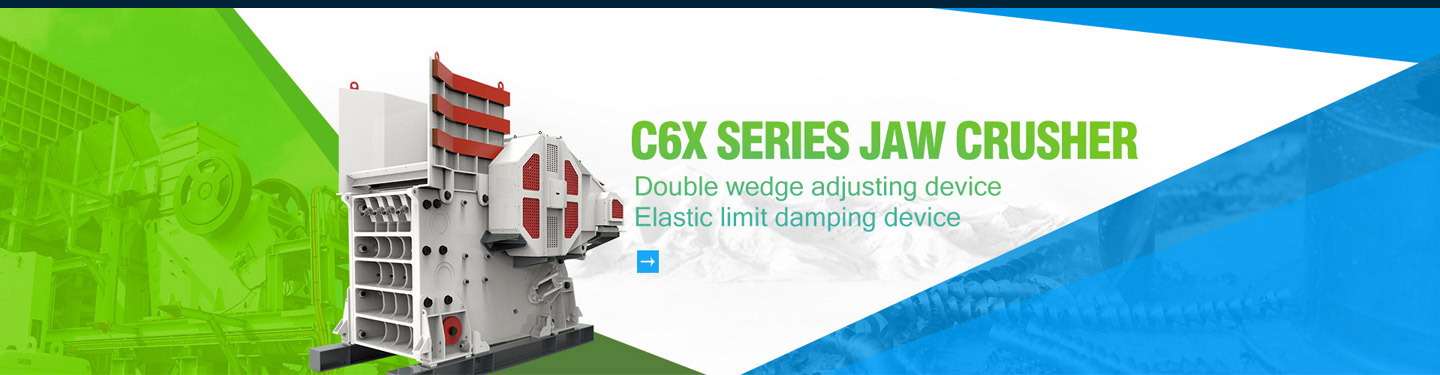
When considering a jaw crusher, understanding its specifications is crucial for determining which model suits your needs best. Jaw crushers are primarily characterized by their crushing capacity, size, and construction materials. The most common types are the single-toggle and double-toggle jaw crushers, each offering distinct advantages. A typical jaw crusher can crush rocks and minerals with compressive strengths up to 320 MPa, making them suitable for various applications, including mining, construction, and recycling.
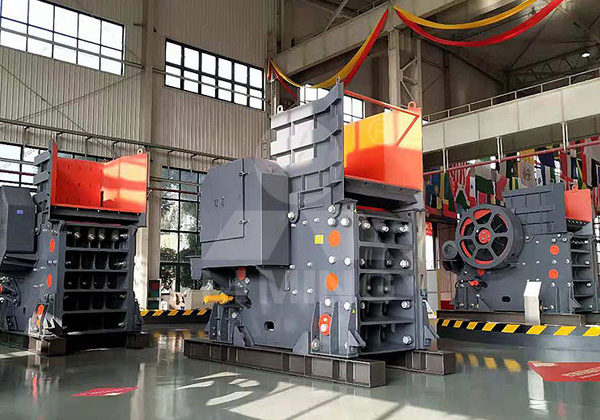
The specifications often include the width and length of the feed opening, which significantly influence the size of the materials that can be processed. For instance, a jaw crusher with a feed opening of 1000 mm x 800 mm can handle large rocks, while smaller models might have openings around 400 mm x 250 mm. The maximum feed size is another critical specification that determines the largest size of material that can enter the crusher. Additionally, features like the adjustable discharge opening allow operators to control the output size, which is essential for achieving the desired aggregate size for specific applications.
Another vital specification is the power requirement of the jaw crusher, usually indicated in kilowatts (kW) or horsepower (HP). Larger crushers typically require more power to operate, with some industrial models needing upwards of 300 kW. The crushing capacity, expressed in tons per hour (TPH), varies widely based on the model and settings; small models may process 20-50 TPH, while larger ones can exceed 1000 TPH. This specification is critical for matching the crusher’s output with the requirements of the processing plant or project.
The materials used in the construction of a jaw crusher also affect its durability and performance. High-quality steel is often utilized in the manufacture of the jaw plates and frame to withstand the stresses of crushing tough materials. Additionally, various wear-resistant coatings can be applied to extend the life of critical components. Maintenance ease is another factor to consider, as crushers designed with accessible parts will reduce downtime and maintenance costs, which is vital for operational efficiency.
As for pricing, jaw crushers can range widely based on specifications, manufacturer, and location. Small-scale models may start around $10,000, while larger, more robust crushers can exceed $500,000. It’s essential to balance the upfront cost with the operational efficiency and longevity of the machine. Factors like warranty, service agreements, and the availability of spare parts also play a crucial role in the total cost of ownership. Ultimately, selecting the right jaw crusher involves evaluating your specific needs, including the type of materials you will process and the volume required.