
Limestone crushers are crucial pieces of mining equipment used to break down limestone ore for use in various industries, including construction, cement manufacturing, and mining. As demand for limestone increases, efficient mining and crushing equipment becomes essential for processing the material. In this context, a limestone crusher plays a crucial role in transforming raw limestone into a usable form suitable for different industries.
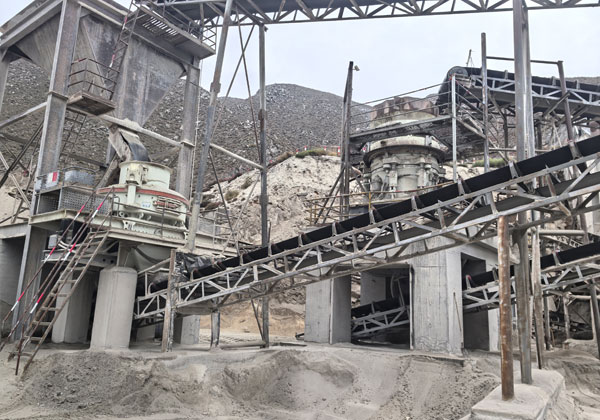
Types of Limestone Crushers
There are several types of limestone crushers used in the mining industry, each designed for specific applications and types of output desired:
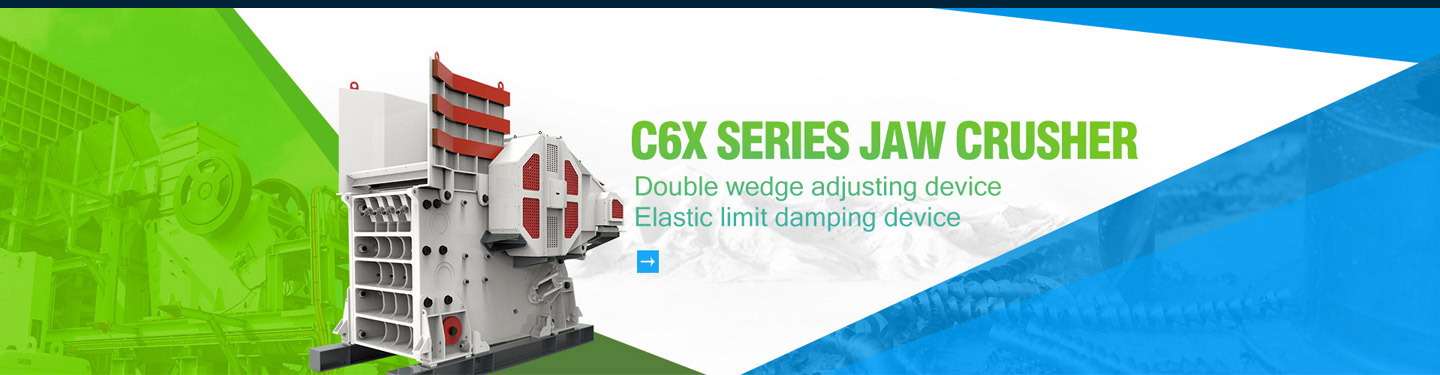
- Jaw Crushers: Jaw crushers are commonly used for primary crushing. They have a simple structure, high crushing efficiency, and the ability to crush a wide range of materials, including limestone. Jaw crushers work by compressing the material between a fixed jaw and a moving jaw. The material is crushed and discharged through the bottom opening. They are well-suited for larger pieces of limestone that need to be reduced in size.
- Impact Crushers: Impact crushers use impact force to break down materials. In the context of limestone crushing, impact crushers are effective for creating a finer product. They are particularly useful for softer forms of limestone that can be easily broken down into smaller fragments. The impact crushers work by having a rotating rotor strike the limestone, breaking it into smaller pieces.
- Cone Crushers: Often used in secondary or tertiary stages of crushing, cone crushers are designed to produce a finer output. They work by compressing the material between a gyrating cone and a stationary cone, which can generate the necessary force to break down limestone into finer materials. Cone crushers are ideal for reducing the size of limestone after it has already been partially broken down by jaw or impact crushers.
- Hammer Crushers: Hammer crushers or hammer mills use high-speed rotating hammers to crush limestone. These crushers are often employed in mining operations where limestone is required in a finer, smaller form. Hammer crushers are well-suited for operations where limestone is not overly hard and can be crushed efficiently with a hammer’s force.
Features of Limestone Crusher Mining Equipment
- Durability and Efficiency: Limestone crushers are designed to withstand high levels of pressure and wear from the abrasive material. The high durability of these crushers ensures that they can operate in demanding environments with a long service life. Crushers with advanced technology and design often feature high-efficiency motors and hydraulic systems that improve the overall productivity of the operation.
- High Throughput: The crushing capacity of limestone crushers varies depending on their design and size. Larger crushers can handle several hundred tons of limestone per hour, making them suitable for large-scale mining operations. This high throughput ensures that limestone can be processed quickly, reducing the time and labor required to produce finished products.
- Customizable Output Sizes: Depending on the operation’s needs, limestone crushers can be customized to produce different output sizes. The final product size is often dictated by the specific industry requirements. For example, in cement production, the crushed limestone may need to be reduced to fine powder, while for construction projects, larger aggregates may be necessary.
Limestone crushers play an essential role in the mining industry by ensuring that limestone is processed efficiently and to the required specifications. With a variety of crushers available, each suited to different stages of crushing, these machines provide the versatility and efficiency needed for large-scale mining operations. They help meet the growing demand for high-quality limestone products used in construction, cement manufacturing, and other industries. Choosing the right crusher depends on factors such as the hardness of the limestone, desired product size, and throughput requirements.