
Vibrating Screens for Metal Ore Mining: An Essential Component in Mineral Processing
Vibrating screens play a critical role in metal ore mining operations, serving as essential equipment for the separation of raw materials and ensuring that the right grade of metal ore reaches the next stage in the processing plant. These machines are used to classify, dewater, and filter materials during various stages of metal ore extraction, enhancing the efficiency of the entire mining process. This article outlines the importance of vibrating screens, their types, and how they contribute to metal ore mining.
Importance of Vibrating Screens in Metal Ore Mining
In metal ore mining, the primary objective is to separate valuable minerals from waste materials or gangue. Vibrating screens are used to sift and classify ores into different particle sizes, which is crucial for further processing like crushing, grinding, and beneficiation. The efficiency of these processes directly impacts the quality and quantity of metal ore extracted, as well as the overall profitability of the operation.
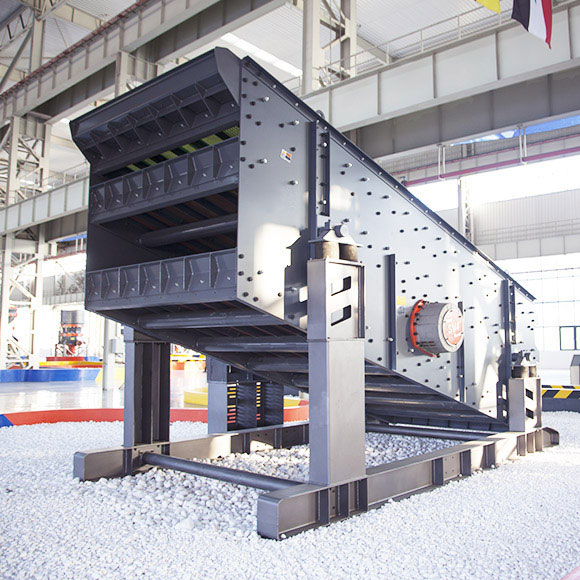
Furthermore, vibrating screens are integral to achieving high throughput and reducing operational downtime. With proper screening, ore particles can be sorted into fine, medium, and coarse categories, ensuring the right material goes into the next process. This step is vital for optimizing equipment efficiency, reducing wear and tear, and preventing blockages that could slow down production.
Types of Vibrating Screens Used in Metal Ore Mining
Several types of vibrating screens are employed in metal ore mining, each designed for specific applications based on the properties of the material being processed and the desired output.
- Linear Vibrating Screens: These are one of the most commonly used types in mining operations due to their simplicity and efficiency. They operate by creating a linear vibration motion that moves materials along the screen’s surface, allowing for easy classification of ores into various sizes. Linear screens are typically used for screening materials with a smaller particle size, such as coal, limestone, and iron ore.
- Circular Vibrating Screens: Circular vibrating screens are another popular choice in mining, providing a circular motion that moves the material in a more uniform flow across the screen. These are effective for processing a wide range of ore materials, including large rocks and metals like gold, silver, copper, and manganese ore. Circular screens are often used in secondary and tertiary crushing circuits where larger particle sizes need to be classified.
Key Features and Benefits of Vibrating Screens in Ore Mining
- Efficiency in Separation: Vibrating screens allow for precise classification of ores, which is crucial for maximizing mineral recovery and ensuring that downstream processes are not burdened with oversized or undersized particles.
- Durability: The mining environment can be harsh, with heavy ore loads, abrasive materials, and extreme temperatures. Vibrating screens used in ore mining are designed to withstand these conditions, ensuring long operational lifespans and minimal downtime.
- Customization: Vibrating screens can be customized based on the specific requirements of each mining operation, including factors such as ore type, size distribution, and processing conditions. This flexibility ensures optimal performance for different types of metal ores.
- Improved Productivity: By improving material flow and classification, vibrating screens enhance the overall productivity of the mining plant. They prevent bottlenecks and help in maintaining steady, high-throughput operations.
Vibrating screens are an indispensable component in metal ore mining, providing essential benefits such as efficient material classification, increased productivity, and improved mineral recovery. As technology continues to advance, vibrating screen designs are becoming more robust and efficient, helping to meet the growing demands of the global mining industry. By choosing the right vibrating screen for their specific needs, mining companies can optimize their ore processing operations and maximize profitability.