
A vertical shaft impact (VSI) crusher is a highly efficient machine commonly used in the production of aggregate materials, especially in applications where precise particle shape and size are critical. It is particularly effective for producing high-quality aggregates for use in construction, concrete, asphalt, and other building materials. The VSI crusher’s unique ability to produce finely crushed materials with superior shape makes it a key player in modern aggregate production.
Working Principle
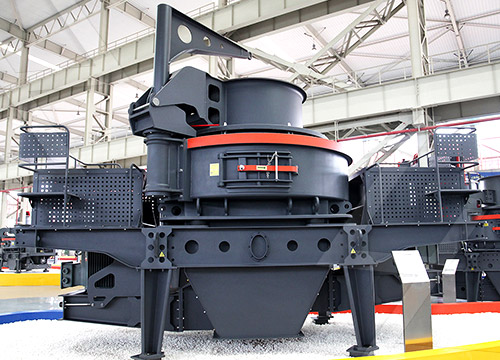
The vertical shaft impact crusher operates on the principle of rock-on-rock crushing. It consists of a rotor that spins at high speeds and is equipped with specially designed wear-resistant tips. As raw material enters the crusher, it is thrown against a high-speed rotating anvil or rock shelf. The impact force from the collision causes the material to break down into smaller particles. These particles are then further refined as they collide with each other within the crushing chamber, resulting in a final product with a cubical shape, ideal for use in concrete and asphalt production.
Applications in Aggregate Production
- Shaping of Aggregates: One of the primary uses of a VSI crusher in aggregate production is its ability to shape the material. Traditional crushers, such as jaw or cone crushers, are primarily designed for reducing the size of large rocks, but they often produce elongated or flaky particles that are not ideal for use in concrete or asphalt. The VSI crusher, on the other hand, produces aggregates with excellent particle shape, which enhances the workability and durability of the final product.
- Sand Production: VSI crushers are also extensively used in producing manufactured sand, an essential material for modern construction. Natural sand sources are depleting in many regions, and the ability to create high-quality manufactured sand from abundant rock sources has become increasingly important. The VSI crusher’s ability to control particle size and shape allows for the production of sand with specific gradations, which can meet the stringent requirements for concrete and asphalt production.
- Reduction of Fines: While many crushers produce a significant amount of fines (small particles that are less than the desired size), a VSI crusher can be configured to minimize this. By adjusting the rotor speed and selecting the appropriate crushing chamber, operators can control the product size distribution and reduce the generation of unwanted fines. This ability is particularly valuable in producing coarse aggregates, where fines can negatively impact the quality of the final product.
Benefits of VSI Crushers in Aggregate Production
- High Efficiency: VSI crushers are known for their efficiency in converting raw material into high-quality aggregates with minimal waste. This efficiency translates into lower operational costs and higher productivity for aggregate producers.
- Flexibility: VSI crushers offer flexibility in the production process. By adjusting parameters such as rotor speed and feed rate, operators can customize the output to meet specific needs. This versatility makes the VSI crusher suitable for a wide range of applications, from coarse aggregate production to fine sand manufacturing.
- Reduced Wear Costs: The rock-on-rock crushing principle employed by VSI crushers results in less wear on the machine’s parts compared to traditional crushers that rely on metal-on-rock crushing. This leads to lower maintenance costs and longer service life for the crusher.
A vertical shaft impact crusher is a versatile and efficient tool in the aggregate production industry. Its ability to produce high-quality aggregates with superior particle shape and minimal fines makes it an invaluable asset in modern construction. Whether used for shaping coarse aggregates or manufacturing sand, a VSI crusher offers flexibility, efficiency, and cost-effectiveness, making it a key component in any aggregate production operation.